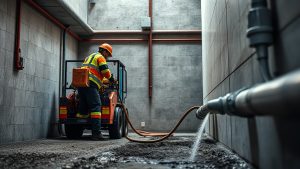
How to Get a Blocked Drain Fixed in Sacomã in Under 60 Minutes
Most guides about drain unblocking start with the tools. That is the one thing they leave out: the clock. In Sacomã, a neighbourhood in São Paulo’s south zone, a blocked drain is not a weekend annoyance — it is a race against overflow, odour and damage to walls and floors. The fastest way to win that race is to call a professional desentupidora Sacomã São Paulo SP as soon as you notice slow drainage, rather than waiting for the sink to fill up.
This trainer-style walkthrough is for beginners. It breaks the process into numbered steps, explains what each one buys you in time, and closes with a checklist you can keep on your phone. No jargon, no guesswork — just the sequence that gets a technician to your door and the blockage cleared in roughly an hour.
Step-by-step: from first symptom to cleared pipe
Step 1 — Recognise the early signs and stop using water
A drain rarely blocks without warning. Gurgling sounds, a slow swirl in the sink, water backing up in the shower tray, or a faint sewage smell are the usual first signals. The moment you notice them, stop running taps, washing machines and dishwashers. Every litre you send down adds pressure to an already restricted pipe.
This single decision often saves more time than any tool. If the pipe is partially open, you keep it that way until help arrives. If it is fully blocked, you avoid a flood that would take hours to clean.
Step 2 — Identify which system is affected
Not all blockages are the same. A single slow sink points to a local trap or branch line. Water rising in multiple fixtures at once usually means the main sewer line is obstructed. In Sacomã, older houses and mixed residential-commercial buildings often share a single exit point, so one blockage can affect several units.
Knowing the difference helps you describe the problem clearly on the phone — and that description is what lets the dispatcher send the right equipment on the first trip. A desentupidora Sacomã team will ask exactly these questions before leaving the base.
Step 3 — Call for emergency service and give a precise address
This is the step where minutes are won or lost. Have your full street address, building number, floor and any access instructions ready before you dial. Mention whether the blockage is in a kitchen, bathroom, laundry area, garage drain or outdoor inspection box. Say whether water is currently overflowing.
Emergency drain services operate around the clock precisely because blockages do not respect business hours. A clear, calm description shortens the dispatch time and helps the technician load the correct cable, pump or jetting hose before departure.
Step 4 — Protect the area while you wait
Move rugs, cardboard boxes and electrical items away from the affected drain. Place old towels or a bucket under any slow leak. If water is rising near a power outlet, switch off the circuit at the breaker — not by touching the wet socket. Keep children and pets out of the room.
These small actions do not fix the pipe, but they prevent secondary damage that would otherwise turn a one-hour job into a multi-day repair. Containment is part of the repair.
Step 5 — Let the technician diagnose before drilling or dismantling
When the team arrives, expect a short inspection before any work begins. A professional will check the inspection box, test the flow from different fixtures, and sometimes use a camera to locate the obstruction. This is not delay — it is the difference between clearing the right section and breaking open the wrong wall.
In Sacomã’s older properties, roots, grease and collapsed clay tiles are common culprits. A technician who diagnoses first can choose between a manual cable, a high-pressure water jet or a suction pump instead of trying all three in sequence.
Step 6 — Choose the right clearing method for the blockage
Different obstructions need different tools. Grease and soap residue respond well to hot-water jetting. Roots and hard scale need a rotating cable or chain cutter. Standing water with solids calls for a vacuum pump before any jetting. The technician should explain the choice in plain language.
This is also the point to ask about prevention: a camera inspection after clearing can reveal cracked pipes or root intrusion that would otherwise cause a repeat blockage within weeks.
Step 7 — Test the flow and confirm the result
Once the obstruction is removed, run water through every connected fixture for several minutes. Watch for gurgling, slow drainage or new leaks at joints. A proper test includes the fixtures furthest from the main line, because those reveal whether the whole run is clear or only the nearest section.
Ask the technician to show you the inspection box before and after if possible. Visual confirmation is the simplest way to know the job is finished rather than merely paused.
Step 8 — Clean up, document and plan prevention
A professional service leaves the area as clean as it found it — or cleaner. After the work, note the date, the affected line and the method used. If the same drain blocks twice in a season, that is a signal to schedule preventive maintenance rather than another emergency call.
For commercial premises and condominiums, a written record of the intervention helps síndicos and managers justify planned maintenance to residents. For homeowners, it is a simple reminder of when to book the next inspection.
Step 9 — Know when the problem is bigger than a blockage
Some symptoms point to structural failure rather than a simple clog: repeated backups after clearing, sewage odour that never fades, sunken patches in the yard above the pipe run, or water pooling around the inspection box. These need a camera survey and possibly excavation.
Recognising this early prevents the cycle of clearing the same pipe every few months. A desentupidora em Sacomã São Paulo SP that offers camera inspection can tell you whether the line is sound or whether a section needs replacement.
What to check before, during and after the visit
Use this checklist as a quick reference. It is written for beginners, so each item is something you can verify without technical training.
- Before the call: stop using water, note which fixtures are affected, and clear access to the inspection box.
- On the phone: give the full address, floor, and a one-sentence description of the symptom.
- While waiting: move valuables, protect electrical points, and keep the area ventilated.
- On arrival: confirm the diagnosis before work starts and ask which method will be used.
- After clearing: test all connected fixtures and check for leaks at joints.
- After the visit: record the date and method, and book preventive maintenance if the same line has blocked before.
A comparison of common clearing methods helps you ask better questions. The table below is a simple reference, not a recommendation for any single case.
| Method | Best for | Typical limitation |
|---|---|---|
| Manual cable | Local clogs in branch lines | May not remove roots or hard scale |
| High-pressure jetting | Grease, soap and sediment in larger pipes | Needs proper pressure control to avoid damage |
| Vacuum suction | Standing water with solids | Does not scour pipe walls |
| Camera inspection | Locating cracks, roots or collapsed sections | Diagnostic only, not a clearing tool |
Finally, remember that prevention is cheaper than emergency response. Periodic jetting of kitchen and laundry lines, avoiding fat and hair down the drain, and keeping yard drains free of leaves will reduce the chance of a repeat call. If you manage a building in Sacomã, a scheduled inspection before the rainy season is the single most effective step you can take.
Frequently asked questions about drain unblocking in Sacomã
How quickly can a desentupidora reach Sacomã?
Response time depends on traffic and the time of day, but emergency services in São Paulo typically aim to arrive within the hour for urgent calls. Giving a precise address and describing the symptom clearly helps the dispatcher prioritise and route the nearest team.
Can I clear a blocked drain myself before the technician arrives?
You can stop using water and protect the area, but avoid chemical drain cleaners and manual rods on unknown pipes. Harsh chemicals can damage older lines and are dangerous if the blockage causes backflow. A technician with the right tools is faster and safer for anything beyond a simple sink trap.
What information should I have ready when I call?
Have your full address, building number, floor, access instructions, and a short description of which fixtures are affected and whether water is overflowing. Mention any previous blockages on the same line, as this helps the team choose the right equipment before leaving.
Does a camera inspection cost extra?
Camera inspection is sometimes included in a diagnostic visit and sometimes quoted separately, depending on the service. Ask before the work begins so there are no surprises. For repeated blockages, the inspection usually pays for itself by preventing a second emergency call.
How can I prevent the same drain from blocking again?
Keep grease, hair and food scraps out of drains, use strainers in sinks and showers, and schedule periodic jetting for kitchen and laundry lines. In older properties, an annual camera check of the main line catches root intrusion and cracked tiles before they cause a backup.